Interpretation des Auftrags Vorspann zur noch zu erstellenden Offerte für die wissenschaftliche Begleitung des World Child Forum.
Das World Child Forum sucht nach Antworten auf drängende gesellschaftliche Herausforderungen unserer Zeit. Zum einen befindet sich das Verhältnis der Generationen angesichts globaler Krisenphänomene im Wandel. Die sich abzeichnende Klimakatastrophe und weltweite Verdrängungs- und Vertreibungsprozesse aufgrund kriegerischer Auseinandersetzungen verlangen dringend nach Antworten. Es gelingt der älteren Generation aber immer weniger, diese mit positiven Zukunftsvisionen zu beantworten, die die junge Generation von ihnen erwartet.
Die andere Herausforderung ist eine Folge des «Jahrhunderts des Kindes», in dessen Verlauf die Gesellschaft ein neues Bild von Kindern und Jugendlichen entwickelte: das vom kompetenten, sich selbst entfaltenden Individuum, das Rechte der Teilhabe und der Mitwirkung nicht erst erwerben muss, sondern von Anfang an innehat. Höhepunkt dieser Entwicklung ist die Ratifizierung der UN-Kinderrechtekonvention, die diese Rechte auf Mitsprache und Teilhabe kodifiziert.
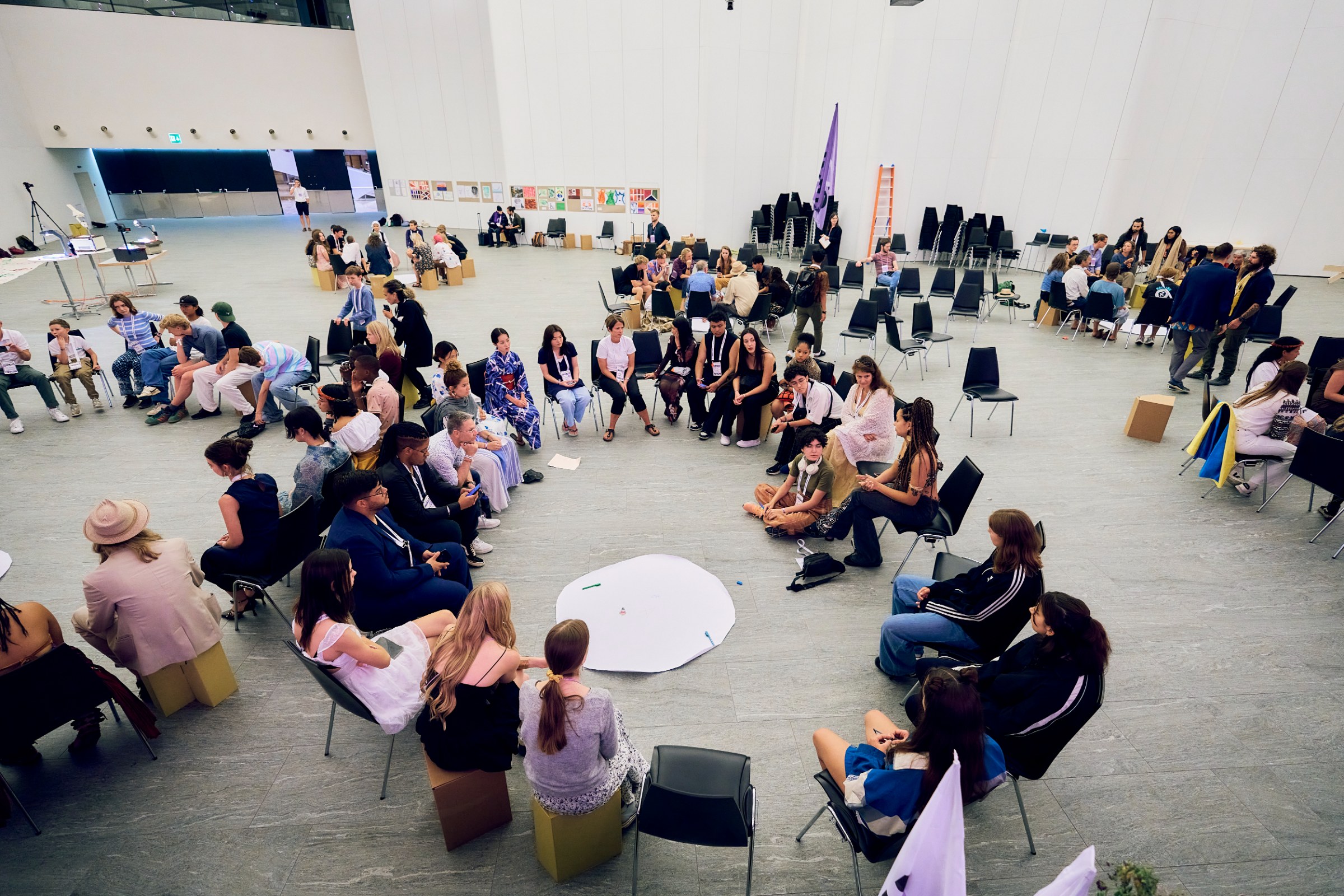
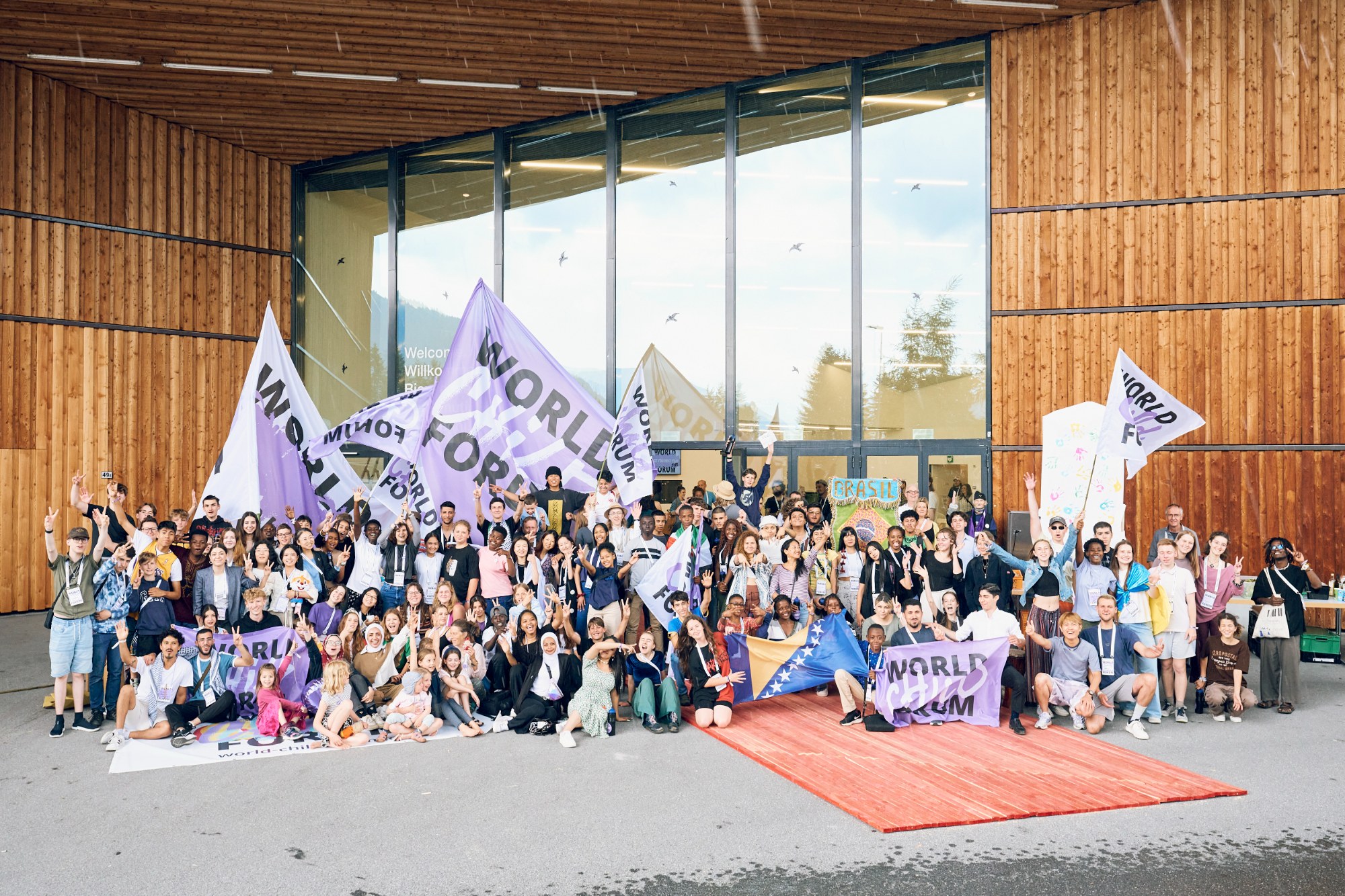
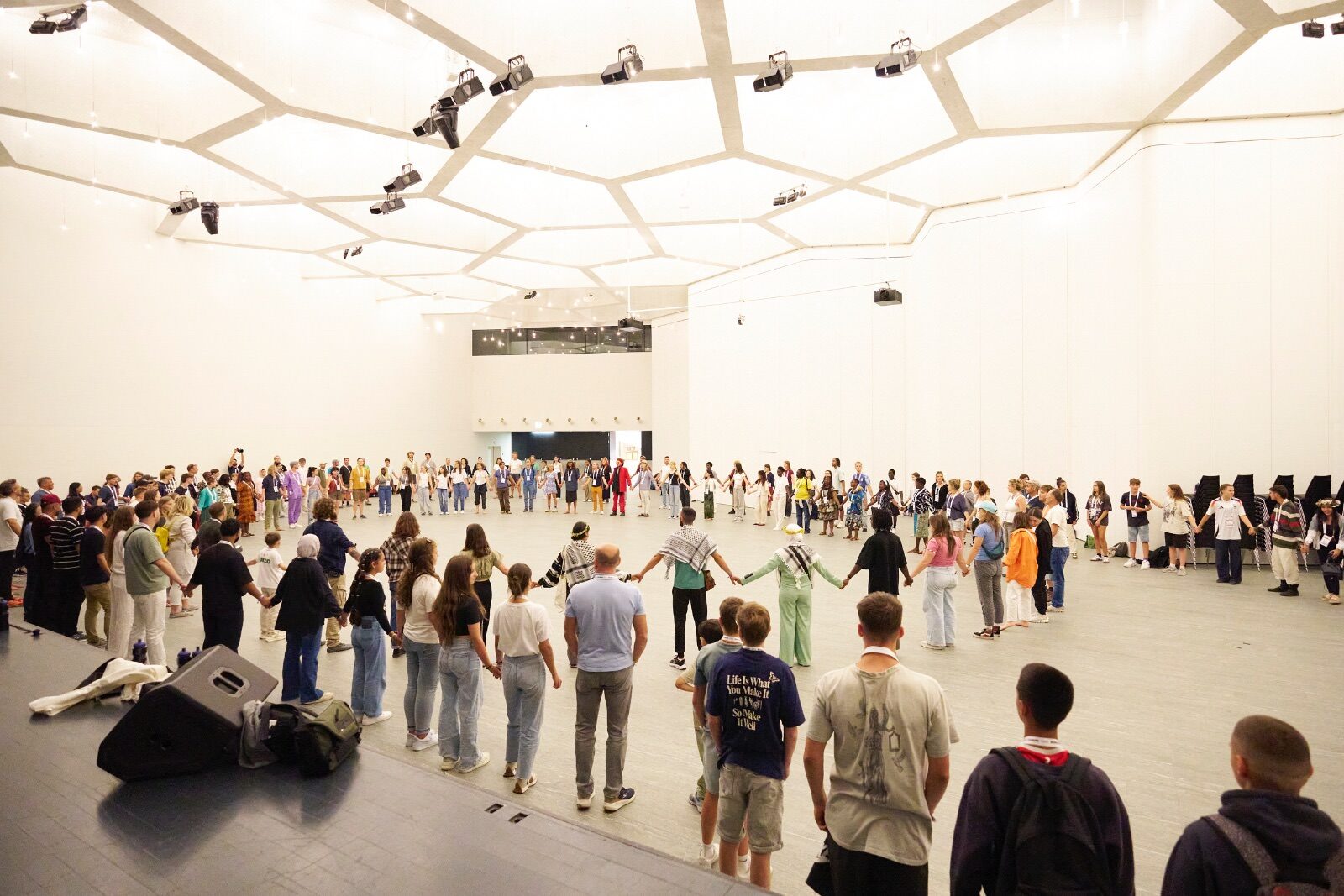
Das WCF bringt diese Fragen zusammen in einer Art «Beteiligungs- und Zukunftslabor»: Wie lassen sich Kinder und Jugendliche sinnvoll an den globalen Debatten um zukünftiges Zusammenleben beteiligen ohne den Bezug zu ihrer unmittelbaren Lebenswelt zu verlieren? Wie kann es methodisch gelingen, Beteiligungs- und Debattenprozesse so barrierearm wie möglich zu inszenieren und dabei den Kindern und Jugendlichen nicht feststehende Formate vorzugeben, sondern sie auch in deren Gestaltung maßgeblich einzubeziehen?
Wir als Forschungsteam haben ein großes Interesse, die dadurch entstehende Laborsituation zu nutzen, um partizipationstheoretisch und kindheits- und jugendtheoretisch hochrelevante Fragestellungen empirisch zu erforschen. Das Institut für Soziale Arbeit und Räume bringt dafür seine Erfahrung aus dem Schattenberichtsverfahren der UNO in der Schweiz sowie anderer internationaler Studien zur Kinder- und Jugendpartizipation ein.
01Output
02Outcome
03Impact
Wir schlagen vor, die Wissenschaftliche Begleitung in drei aufeinander beziehbare Verfahren der Datenerhebung und -interpretation aufzugliedern um die Ergebnisebenen des Outputs, des Outcomes und des Impacts abdecken zu können.